
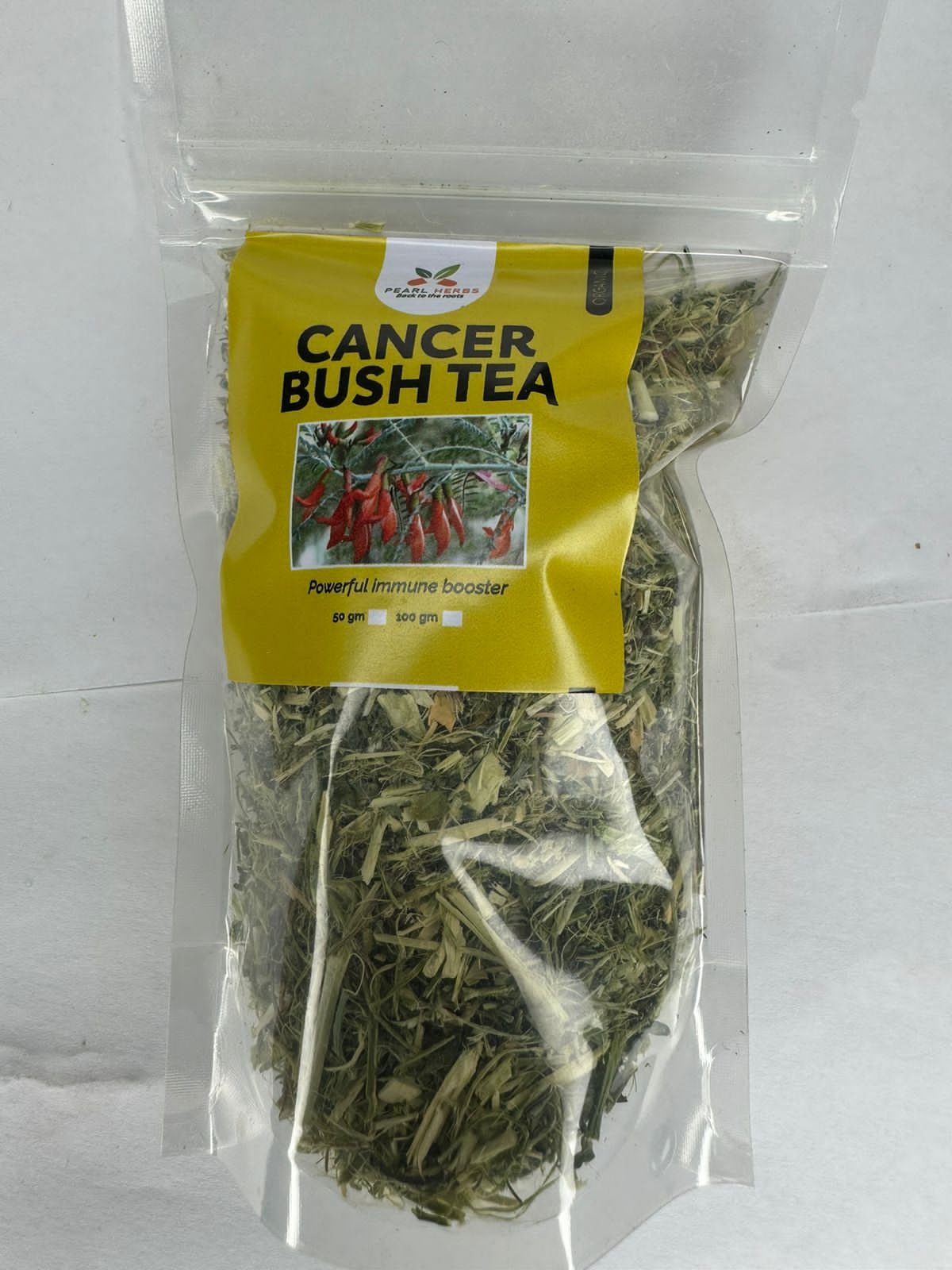
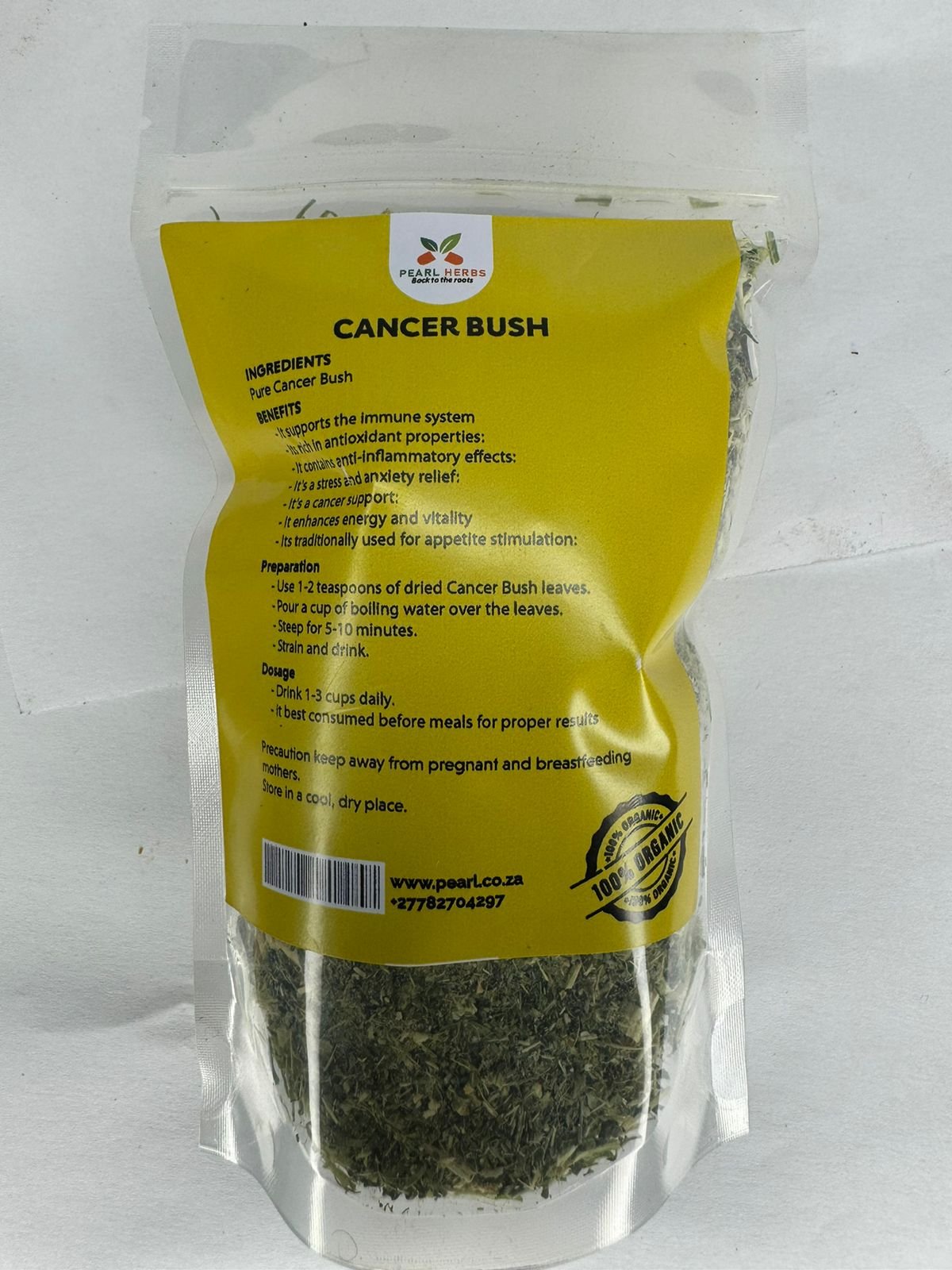
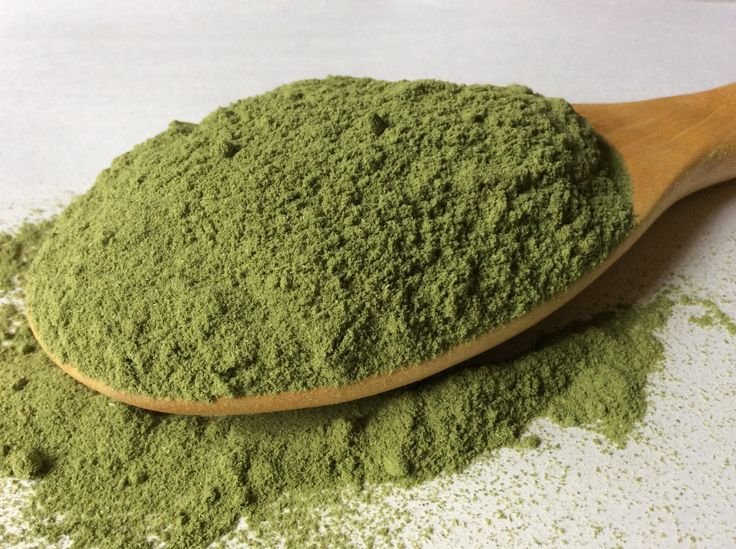
Cancer bush herb contains antioxidants, which work to keep the body youthful and strong. These antioxidants are called flavonoids and are primarily responsible for the raving about tea’s health-boosting properties. Antioxidants prevent oxidative damage to cells, which helps reduce a person’s risk of several types of cancer, including breast, bladder, skin, lung, colon and oesophagal.
Drinking four cups of tea a day can reduce the chances of developing type 2 diabetes by up to 25%.
Sutherlandia frutescens, commonly called Cancer Bush Tea, is a merging between science and traditional knowledge. There are many names for the miracle plant, including Sutherlandia, cancer bush, balloon pea, and turkey flower.
Other names include umnwele in isiXhosa and isiZulu; kankerbos, blaasbossie, blaas-ertjie, eendjies, gansiekeurtjie, klappers, hoenderbelletjie in Afrikaans; phetola, mokakana in Setswana; Mmuša pelo wa noka in Sepedi; and musa-pelo, motlepelo in Sesotho.
In South Africa, you’ll find the cancer bush plant is native to the Northern Cape, Mpumalanga, KwaZulu-Natal, Eastern Cape and Western Cape.
What is Cancer Bush Tea?
Cancer bush tea is extracted from a cactus-like, perennial shrub. The shrub is recognised for its orange-red flowers. These flowers are called Sutherlandia frutescens. The indigenous medicinal plant is drought-resistant, used extensively in South Africa to treat various health conditions, and is often harvested wild! Indigenous cultures have relied on natural remedies straight from mother earth for centuries, and Cancer Bush tea is known for its numerous health benefits in many communities.
What Are The Benefits?
The tea is believed to heal physical as well as emotional ailments.
Scientists have evidence that the plant helps the human body use its immunologic and physiologic resources to help fight diseases and reduce mental and emotional stress. It:
Boosts your immune system.
Helps with fever, colds and flu symptoms.
Relieves menstrual pain.
Helps with mental and emotional stress.
Helps with irritation, anxiety and depression.
It helps with indigestion and improves appetite.
Helps with inflammation-related illnesses.
What Is Immunologic Physiology?
Immunology studies the physiological functioning of the immune system and immunological disorders like allergies, hypersensitivities, immune deficiency, transplant rejection and autoimmune diseases.
According to Nature.com, the immune system is a complex network of cells, tissues, and organs. Together, they create substances to help the body fight infections and other diseases.
The immune system includes your:
white blood cells,
organs,
and tissues of the lymph system.
Tissues of the lymph system are the thymus, spleen, tonsils, lymph nodes, lymph vessels, and bone marrow.
Studies on cancer bush tea extracts suggest the following benefits:
antiproliferative,
antiviral,
anti-stress,
anti-diabetic,
anti-inflammatory,
antimutagenic,
antibacterial,
antioxidant,
and antithrombotic properties.
Traditional Uses
Traditional healers assess the type of disease the patient indicates before deciding which concoction is best. Their preparation ranges from using the plant’s leaves, flowers, stems, and roots. The traditional healers collect fresh plant materials, dry them, and stamp or mash them into powder between two stones. The preparation is then infused in boiling water, left to cool, and given to the patient in tea form. Cancer bush tea is among these preparations.


Reviews
There are no reviews yet.